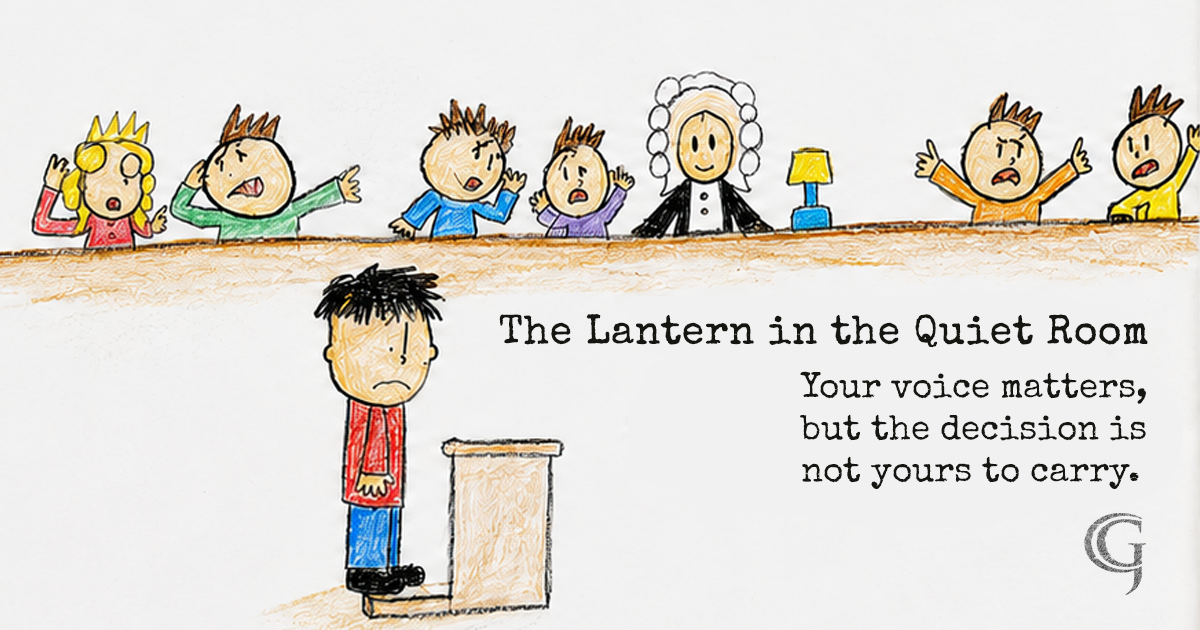

Few situations are more distressing for a parent than hearing a child say they do not want to spend time with the other parent.
Whether the child becomes upset before access visits, resists overnight arrangements, or repeatedly asks to remain with one parent, these situations can leave parents feeling confused, worried, and unsure of how to respond. Some may wonder whether the child is simply going through a phase, while others may fear that something more serious is occurring.
In online support communities for separated fathers, many parents describe the emotional impact of seeing their child become distressed before transition days. Some report children becoming anxious before moving between homes, while others notice a growing reluctance to attend scheduled access visits.
While every family situation is different, it is important to understand that a child’s reluctance does not automatically mean that one parent has done something wrong. Children often struggle with change, divided loyalties, uncertainty, and the practical realities of living across two households.
Understanding the reasons behind a child’s behaviour is often the first step towards finding a constructive solution.
Why Some Children Struggle with Transition Days
Change Can Be Difficult For Children
Even where both parents are loving and capable caregivers, moving between homes can be emotionally challenging.
Children may feel:
- Sad about leaving one parent
- Anxious about changes in routine
- Worried about upsetting either parent
- Confused about family changes
Younger children in particular may not yet have the language skills needed to explain what they are feeling.
Loyalty Conflicts Can Affect Children
Some children feel caught in the middle of their parents’ separation.
They may:
- Worry about hurting one parent’s feelings
- Feel guilty for enjoying time with the other parent
- Try to protect a parent who appears upset
These emotional conflicts can sometimes be expressed through resistance to transitions.
When Should Parents Be Concerned?
Not every refusal indicates a serious issue.
However, parents may wish to seek professional guidance where:
- The behaviour becomes persistent
- The child reports specific concerns
- There are sudden behavioural changes
- The child appears fearful rather than merely reluctant
- School performance or emotional wellbeing is affected
It is important to distinguish between normal adjustment difficulties and situations that may require closer attention.
Read more: Ways to Help Children Cope with Separation & Divorce
Avoid Turning Children Into Messengers
One of the most common mistakes separated parents make is asking children to explain what happens in the other household.
Children should not be expected to:
- Deliver messages between parents
- Choose sides
- Report on the other parent’s activities
- Become involved in adult disputes
Children generally benefit most when they are allowed to maintain positive relationships with both parents whenever appropriate.
What Can Parents Do?
Practical steps may include:
Keep Handover Arrangements Calm
Children often take emotional cues from their parents.
Where possible:
- Keep exchanges brief
- Avoid arguments
- Focus on the child’s needs
- Maintain predictable routines
Listen Without Leading
Allow children to express their feelings without suggesting answers.
Instead of:
“Is your mother making you feel uncomfortable?”
Consider:
“You seem upset. Would you like to tell me how you’re feeling?”
Consider Professional Support
Counsellors, child specialists, parenting coordinators and family professionals may help identify concerns and improve communication between parents.
Read more: Proposed Parenting Plan – The best interests of the child
How Singapore Courts View Children’s Welfare
In Singapore, the child’s welfare remains the court’s paramount consideration when determining parenting arrangements.
The court generally encourages children to maintain meaningful relationships with both parents where this is in their best interests.
Where concerns arise regarding parenting arrangements, the court may consider a range of factors, including the child’s needs, age, circumstances, and the evidence available.
In assessing the child’s welfare, the Court may also consider each parent’s involvement in the child’s day-to-day care. This includes matters such as who attends to the child’s daily routines, bedtime routines, schoolwork, medical needs, activities, and general emotional support.
Where relevant, the Court may also take into account professional opinions from counsellors, psychologists, psychiatrists, or other professionals who have assessed the parties and/or the children. For example, where one parent has exhibited negative conduct, it may be helpful to obtain a professional opinion on the potential impact of such conduct on the children. Conversely, where time spent with one parent has been beneficial to the children, a professional opinion may also assist in showing how such arrangements support the children’s welfare.
In some cases, where the children’s wishes cannot be reliably ascertained, the Court may also conduct a judicial interview or appoint a Child Representative to determine the children’s wishes and assist the Court in assessing what would be in the children’s best interests.
It is therefore important to seek legal advice at an early stage, so that parents understand which aspects of caregiving may be relevant, what evidence may assist their case, and what should be properly documented in support of their position.
Seek Legal Advice
Where concerns arise, it may be important to seek legal advice promptly rather than allowing the situation to continue unchecked.
Depending on the circumstances, a parent may consider:
- Applying for parenting orders to formalise or clarify care arrangements and access schedules.
- Seeking enforcement of existing court orders (if any) regarding care arrangements.
- Seeking orders for counselling, family support programmes, or other interventions directed by the Court.
- Applying for a variation of existing court-ordered care arrangements.
The Court’s primary concern remains the child’s welfare. Where there is evidence that a child’s relationship with either parent is being unnecessarily damaged, the Court may consider a range of measures aimed at protecting the child’s long-term wellbeing.
Speak With Gloria James-Civetta & Co
If you are concerned about parenting arrangements, access issues, or your child’s wellbeing following separation, obtaining early guidance may help you better understand your options and responsibilities.
At Gloria James-Civetta & Co, we assist parents with child custody, care and control, access arrangements, parenting plans and related family law matters. We also offer Strategic Divorce Consultations and divorce coaching support through Ms. Gloria James-Civetta to help individuals navigate parenting concerns before and during divorce proceedings.

We’re here for you
We have a dedicated family law team ready to listen,
understand your situation, and advise you on:
- Child Custody & Maintenance issues;
- Access Arrangements;
- Parenting Plans;
- Relocation issues.