
View this article as Infographic: Click Here
It is natural for parents to worry about how divorce may affect their children. Whether your child is very young or approaching adulthood, changes within the family can affect them emotionally and practically.
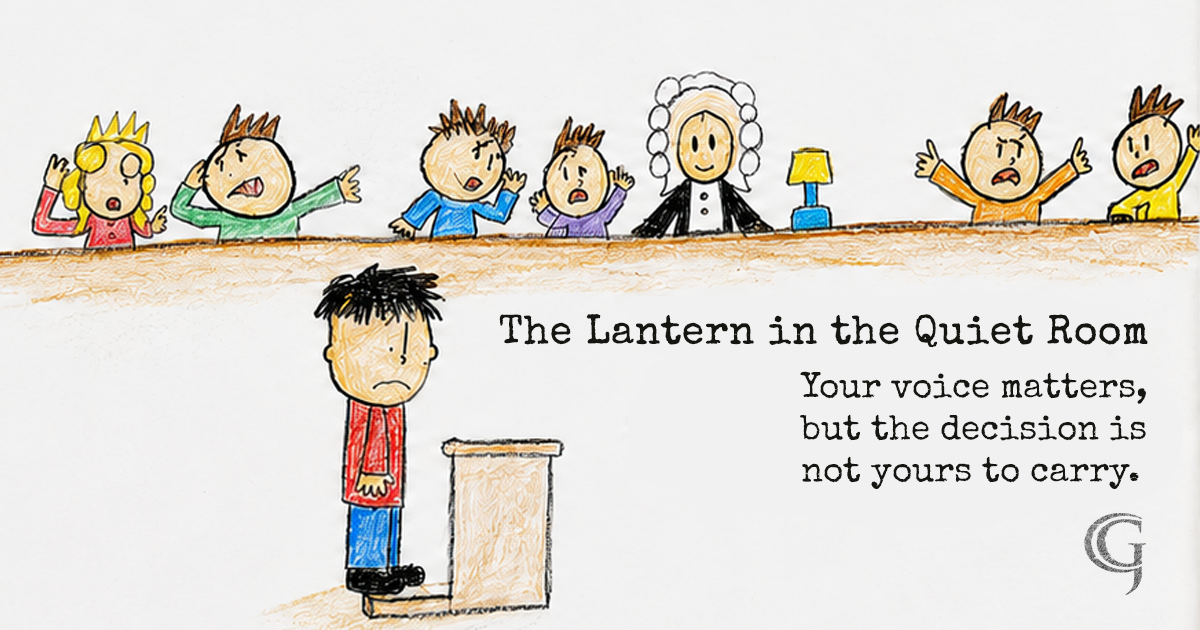
However, divorce itself does not determine how well a child will cope in the long term. Children can adjust well when parents provide stability, reassurance and, importantly, protect them from ongoing parental conflict.
Here’s an age-by-age guide to look at the effect of divorce on children and what you can do about it.
- Children can react differently to divorce depending on their age and stage of development.
- Babies and toddlers may respond to changes in routine and family tension with increased clinginess, irritability or separation anxiety.
- Young children may struggle to express their feelings and may experience behavioural changes, nightmares or increased need for reassurance.
- School-age children may worry about losing contact with a parent or mistakenly believe the divorce is their fault.
- Teenagers may experience changes in mood, sleep, school performance or behaviour and often benefit from open and honest communication.
- At every age, children benefit from stability, reassurance and being protected from ongoing parental conflict.
- Parents should pay attention to significant or persistent changes in their child’s behaviour and seek professional support where appropriate.
Babies and Toddlers
You might believe that because your child is too small to understand divorce, they won’t feel anything about it.
But babies and toddlers are very sensitive to familial tension and changes, even if they can’t express it.
During or following the divorce, you may notice that your baby or toddler suffers from separation anxiety or emotional outbursts, or may display irritability.
The best way to help them is for both parents to give them plenty of physical affection and attention.
Such demonstrations of love will make them feel reassured and secure even as they adjust to the new family dynamic.
Three-to Six-Year-Olds
Your child is old enough to comprehend the change in the family structure but may have trouble verbally articulating their feelings about it.
It’s not unusual for kids from this age group to start acting out, suffer from nightmares, or become clingy.
As with smaller children, give as much affection and reassurance your child as possible.
Also, it’s a good idea to read age-appropriate books about divorce and help them to discuss their feelings in a healthy manner.
Read more: Incarcerated Parent in Singapore: Impact on Divorce & Children
Six-to-Twelve-Year-Olds
At this age group, kids are likely to understand the concept of divorce but uncertain about what it’ll mean for them.
They might worry that the non-custodial parent doesn’t love them as much or that they won’t see that parent as much as before.
These worries might manifest in negative ways such a poor school performance, fighting with peers, or increased physical ailments, such as stomachaches or headaches.
Talking to your children about their feelings is especially important at this age.
Both parents should work hard to make sure the child feels loved, listened to, and reassured that the divorce was not their fault.
Teens
Divorce is often very tough on teens, who are already going through a period of uncertainty and self-discovery.
It’s common for teens whose parents are divorcing to react in a range of ways, including suffering from sleeping difficulties (whether too much or not enough), performing poorly in school, or even, sometimes, engaging in self-destructive behavior.
Speak openly, honestly, and often with your teen about their feelings about the divorce and try to ensure that they’re engaged in healthy activities they enjoy.
Show interest in these activities and even actively participate, if appropriate.
If they are engaged in self-destructive behavior or showing signs of depression, don’t hesitate to find a professional counselor to help them.

We’re here for you
We have a dedicated family law team ready to listen, understand your situation, and advise you on:
- Child Custody & Maintenance issues;
- Access Arrangements;
- Parenting Plans;
- Relocation issues.