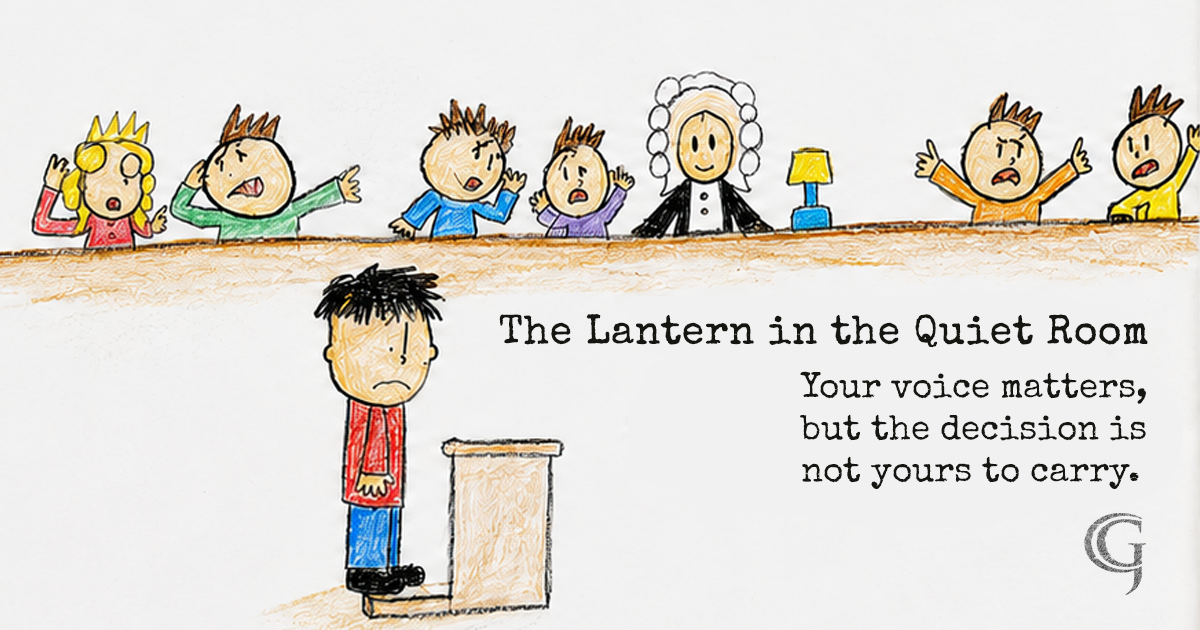

Therapeutic justice, in the words of Justice Debbie Ong, is a lens of “care“. This lens focuses on the extent to which laws, procedures, practices, and our roles produce helpful or harmful effects.
“This approach would not only vastly benefit and be conducive for the child’s growth but would also benefit the spouses.”
The Therapeutic Justice system promulgates two main principles.
First, that “the parties are not adversaries in court. “Problem-solving, not litigation, is the core focus in this Therapeutic Justice system.”
Family lawyers are crucial in assuring parties that legal obligations will ensure provisions and supporting parties in making rational decisions and taking sensible steps.
The incorporation of therapeutic justice also entails that in family proceedings, the distress caused by litigation needs to be at a minimum.
Hence, the system aims to be multi-disciplinary where counselling, therapy, mediation, and adjudication are provided for those who need them.
Secondly, the entire journey should allow the healing, restoring, and recasting of a positive future. It should allow parties time to grieve over the loss of the marriage and be supported through this.
“It`s important to understand that the court cannot, through its legal decision-making process, address or alleviate the emotional harm caused by a litigious divorce.”
Read More: How Therapeutic Justice will change the Divorce Landscape in Singapore
How do I try to achieve/incorporate therapeutic justice in my divorce proceedings?
Spouses whose marriage has broken down can obtain a divorce but they must do so in a manner that does not cause each to view the other with acrimony. They must end their marriage in a way that can allow them to still co-operate to the highest degree possible in discharging their parental responsibilities to their children.
“They “must learn to develop skills to resolve disputes without resorting to litigation, co-parent post-divorce, and become familiar with how to access appropriate support services.”
Here are guidelines that Justice Ong has advised;
- Do not send inflammatory letters to each other, and kill the chances of cooperation.
- Do not allege the worst of the other spouse in affidavits in divorce proceedings, especially personally hurtful things, even going back 20 years or more.
- Do not file many applications, only to increase costs and deplete savings, shrink the size of the matrimonial assets, and increase complexity unnecessarily.
- Do not let the children suffer the conflict of loyalty and other sorts of stress, or burden them with your own issues. Do not ‘parentify’ the children and deprive them of a normal childhood.
- Do not turn the children against the other parent; you may not need your ex-spouse anymore, but the children do.
- Do not use the court proceedings to vent your frustrations.
You can use therapeutic services to support you in respect of the emotional consequences of family breakdown. Counselling, therapy, mediation and adjudication are provided for those who need them.
Read More: Proposed Parenting Plan
A Different Approach to Divorce
Divorce does not always have to be approached as a battle between two sides. Singapore’s Family Justice Courts have increasingly adopted the principles of Therapeutic Justice (TJ), encouraging families to focus on problem-solving, reducing conflict and finding workable, lasting arrangements for themselves and their children.
Therapeutic Justice does not mean giving up your legal rights or avoiding difficult issues. It means looking beyond the immediate dispute and considering how decisions made during the divorce may affect the family after the proceedings have ended.
Read More: Collaborative Divorce Singapore
What are the benefits of a Therapeutic Justice approach?
Where appropriate, a Therapeutic Justice approach can help parties:
- reduce unnecessary conflict and acrimony;
- keep the children’s welfare at the centre of decisions;
- focus on solutions rather than past grievances;
- explore negotiation, mediation and Collaborative Family Practice where suitable; and
- work towards arrangements that are practical and sustainable after the divorce.
At GJC Law, this approach can be incorporated into the way a divorce is managed while ensuring that each client understands their legal rights, responsibilities and options.
Contact our divorce lawyers to discuss your circumstances and explore whether a less adversarial, solution-focused approach may be suitable for you and your family.

We’re Here for You
We offer a range of consultation options depending on the guidance you need, from a Free 20-minute Divorce Process Consultation to a Strategic Divorce Consultation for personalised legal advice.
Contact us and we can help you choose the right option for your circumstances.