For years ,many Filipinos divorced overseas have lived with a frustrating paradox: legally single abroad, still married back home.
On 7 October 2026, the Philippine Supreme Court took a major step towards fixing that, and announced new rules intended to simplify the recognition of foreign divorces. Whether you are a professional, a Permanent Resident, the spouse of a Singaporean or a domestic worker, here is what the change means for Filipinos in Singapore.
The important thing to understand is that getting divorced in Singapore and having that divorce recognised in the Philippines are two separate legal steps.
Key Points
- What’s new: Filipinos asking a Philippine court to recognize a foreign divorce no longer need to prove the foreign country’s divorce law, only that the divorce took place.
- Who it helps: Every Filipino whose marriage to a foreign national ended in a valid divorce abroad, not just overseas Filipino workers (OFWs).
- When: The new rules take effect on 30 October 2026.
- What has not changed: A Singapore divorce is not automatically recognized in the Philippines. A Philippine court must still formally recognize your divorce. In addition, the new rules apply only to Filipinos who are married to a foreign national. If both spouses are Filipino, the restrictions remain and the Singapore divorce is still not recognized in the Philippines.
- Good news for helpers: Filipino domestic workers in Singapore may be eligible to file for divorce in Singapore.
What Exactly Has Changed in the Philippines?
Previously, a Filipino married to a foreign national can ask a Philippine court to recognize a valid foreign divorce and, once it is recognized, regain the capacity to remarry under Philippine law. The sticking point has always been proof: that the divorce happened, and the foreign law that allowed it. That usually meant obtaining official, authenticated copies of foreign legislation, which is slow, costly and often confusing.
Under the new rules, applicants seeking recognition of a valid foreign divorce will no longer need to prove the applicable foreign divorce law when filing their application. They need only prove that the foreign divorce took place and it is presumed final.
The changes are intended to make the process simpler, particularly for Filipinos working overseas who may find it difficult or expensive to obtain foreign legal documents.
Can a Filipino Domestic Helper Get Divorced in Singapore?
Possibly, yes.
Working as a domestic helper does not, by itself, stop you from applying for divorce in Singapore.
For Singapore to have matrimonial jurisdiction over the divorce proceeding, one spouse generally must either be domiciled in Singapore or have been habitually residing in Singapore for at least three years immediately before filing.
The marriage must also generally have lasted at least three years, and the requirements for divorce under Singapore law must be satisfied.
For example, a Filipino domestic worker who has lived in Singapore for five years may meet the residence requirement, even if her spouse lives in the Philippines.
However, eligibility depends on the individual circumstances. Holding a Work Permit alone does not establish eligibility.
What If Both Husband and Wife Are Filipino?
This is an important distinction.
If both spouses are Filipino citizens, a divorce obtained in Singapore is generally not recognised in the Philippines under the foreign divorce recognition rules.
For example:
Maria and Juan are both Filipino citizens. Maria has worked in Singapore for six years, while Juan lives in Manila. Maria may qualify to file for divorce in Singapore, and a Singapore court may grant it.
However, even if the Singapore court grants the divorce, that does not automatically mean that their marriage has ended under Philippine law.
In the eyes of the Philippine, Maria and Juan are still married. The new rules do not change this. There is however one exception: If one spouse had become a citizen of another country (for example, a Singapore citizen), by the time the divorce was obtained, the new rules may apply.
Married to a Singaporean or Another Foreigner?
This is where the new rules may be particularly helpful.
For example:
Ana is a Filipino citizen married to a Singaporean. They obtain a valid divorce in Singapore.
Ana may apply to a Philippine court to recognize the Singapore divorce under Article 26(2) of the Philippine Family Code. Under the new rules, she will no longer need to prove the content of Singapore’s divorce law to do so and the Singapore divorce is presumed final.
My Spouse Is in the Philippines. Can I Still File Here?
Yes, it may be possible.
Your spouse does not need to live in Singapore for you to file for divorce here, provided you meet Singapore’s jurisdictional requirements.
There are established procedures for serving court documents on a spouse who lives overseas.
Before you start, consider the bigger question of whether the divorce will be recognized in the Philippines. See Sections 3 and 4.
Can I Remarry After Getting Divorced in Singapore?
It depends on who you were married to.
- Married to a foreign national – If you are Filipino and were married to a foreign national, you may qualify to have the Singapore divorce recognized in the Philippines
- Married to a fellow Filipino – A Singapore divorce will generally not free you to remarry under Philippine law.
Either way, do not assume that a Singapore divorce certificate alone is enough to remarry in the Philippines.
Do the New Rules Mean Divorce Is Now Legal in the Philippines?
No. The new rules do not introduce divorce for marriages between two Filipino citizens. They make it easier to prove foreign divorces that Philippine courts already recognize.
The existing legal requirements remain in place.
Understanding Your Divorce Options in Singapore
If you are Filipino and considering divorce, it is important to understand whether you qualify to file for divorce in Singapore and what the divorce may mean for your legal status in the Philippines.
At Gloria James-Civetta & Co, our team of Singapore divorce lawyers assists foreign nationals, including Filipinos living and working in Singapore, on divorce and cross-border family law matters.
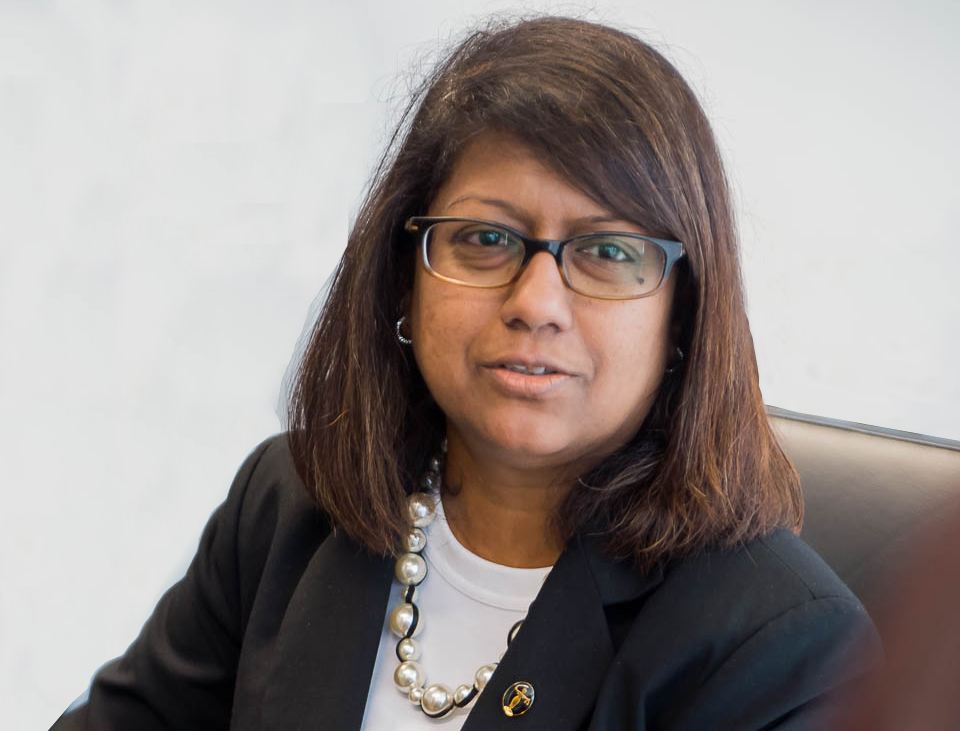
For guidance on international divorce and matters involving spouses living in different countries, you may reach out to Sheryl Keith Nuqui Sandhu, Head of our Expatriate Divorce Practice.
Contact our team to arrange a consultation and understand your legal options.
We’re Here for You
We offer a range of consultation options depending on the guidance you need, from a Free 20-minute Divorce Process Consultation to a Strategic Divorce Consultation for personalised legal advice.
Contact us and we can help you choose the right option for your circumstances.