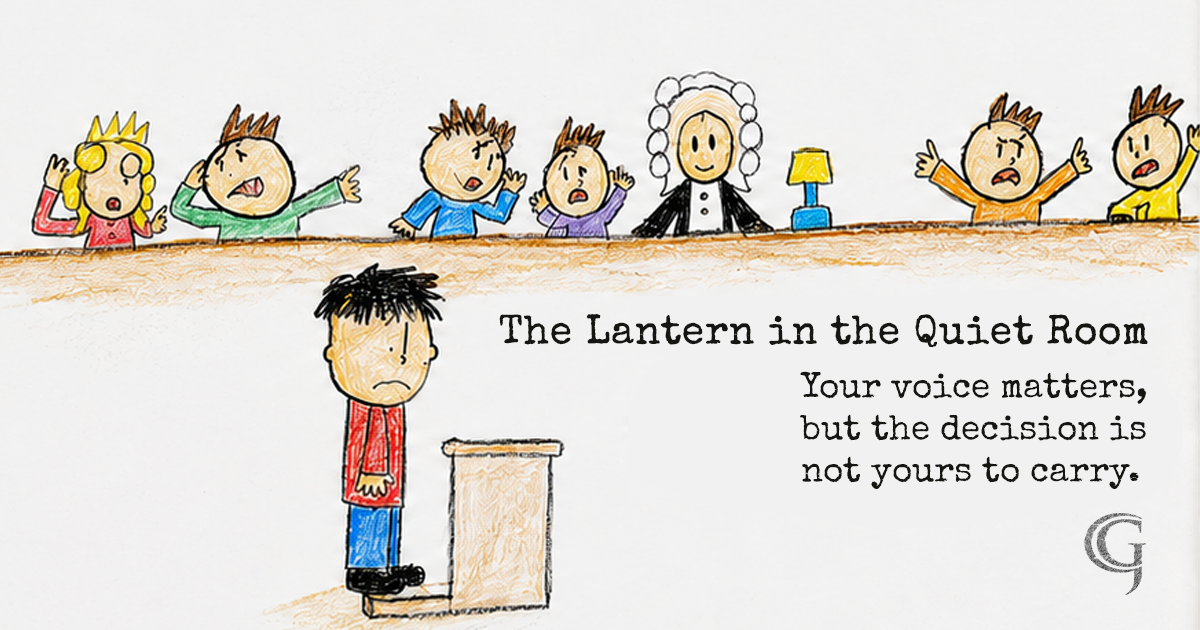
Divorce does not necessarily have to involve lengthy and costly court proceedings. Where separating spouses are willing to explore agreement, divorce mediation in Singapore offers a structured and confidential setting in which parties can discuss and resolve the issues arising from the breakdown of their marriage.
Rather than leaving every disagreement to be determined by the court, mediation allows couples to work towards mutually acceptable solutions concerning their children, maintenance, and matrimonial assets with the assistance of a neutral mediator.
For couples who are able to reach an agreement, mediation can make the divorce process less adversarial, more efficient and better suited to their family’s circumstances. Even where a complete settlement is not possible, mediation may help narrow the issues in dispute, potentially reducing the time and costs associated with contested proceedings.
- Less adversarial – Focus on solutions rather than blame.
- Greater control over the outcome – Parties have a direct say in shaping their settlement.
- Child-focused approach – Parenting issues can be approached with the children’s welfare in focus.
- Practical solutions – Explore arrangements suited to your family.
- Confidential process – Discuss possible settlement options in a protected setting.
- Time and costs – Reduce the need for prolonged litigation.
Mediation Can Reduce Conflict
Family disputes are different from many other legal disputes because the parties may need to maintain an ongoing relationship long after the divorce is finalised, particularly where they have children together.
Mediation provides a structured environment in which spouses can address their disagreements constructively, without the same emphasis on opposing arguments and contested evidence that may arise in litigation.
Instead of focusing solely on who is right or wrong, the mediator helps the parties identify the issues that need to be resolved and explore whether an acceptable solution can be reached.
Where children are involved, reducing unnecessary conflict can be particularly beneficial. Parents who are able to communicate more constructively during divorce may also find it easier to manage their co-parenting responsibilities after the proceedings have concluded.
You Have Greater Involvement in the Outcome
In contested proceedings, unresolved issues are ultimately determined by the court. While the court will consider the relevant evidence, legal principles and circumstances of the family, the final decision may not fully reflect either party’s preferred arrangements.
On the other hand, mediation gives spouses an opportunity to participate directly in developing the arrangements that will affect them and their family.
The mediator facilitates discussions but does not decide the outcome for the parties. Instead, the parties can raise concerns, consider proposals and decide whether the proposed terms are acceptable.
This can provide greater flexibility than leaving every disputed issue for determination at a court hearing.
However, it is important to understand your legal rights and obligations before agreeing to any settlement, particularly where significant assets, maintenance obligations, or children’s arrangements are involved.
Mediation Can Help Parents Focus on Their Children
Divorce can be particularly challenging for children, especially where they are exposed to continuing conflict between their parents.
Although the marital relationship may have ended, both parents continue to have responsibilities towards their children.
Mediation encourages parents to move the discussion beyond their differences as spouses and towards their continuing responsibilities as parents.
Issues may include:
- custody, including education and healthcare;
- care and control;
- access, including school holiday arrangements;
- overseas travel; and
- other parenting arrangements.
The objective is to explore arrangements that are workable for the family while keeping the children’s welfare at the centre of the discussion.
By focusing on practical parenting solutions, mediation can help parents work towards arrangements that support their children’s welfare and are sustainable in the longer term.
Mediation Allows More Practical and Workable Solutions to Be Explored
Family disputes rarely involve a simple winner and loser.
While the Court determines disputes by applying the relevant legal principles, mediation gives parties greater room to explore mutually acceptable arrangements that address their individual circumstances.
This can be particularly useful where several issues are connected. For example, discussions about the matrimonial home may also involve the children’s living arrangements and each party’s financial resources and liabilities.
The objective is to develop a settlement that is legally appropriate, financially realistic, and workable after the divorce.
Where an agreement is reached during mediation, its terms may be recorded as a court order.
The parties are then legally required to comply with the agreed terms.
Mediation Is Confidential
One concern that parties may have about mediation is whether proposals and/or concessions made during the discussions could subsequently be used against them if they do not reach an agreement.
Mediation conducted through the Family Justice Courts is confidential, and communications made for the purposes of mediation are ordinarily protected from being used as evidence in any subsequent contested proceedings.
This allows parties to explore possible compromises without necessarily being bound by proposals that do not ultimately result in an agreement.
If mediation is unsuccessful, unresolved matters can still proceed through the court process for determination.
Mediation May Save Time and Legal Costs
Contested divorce proceedings can involve multiple stages, including the preparation and exchange of court documents, disclosure of financial information, negotiations, interlocutory applications, and contested hearings.
Each additional stage may involve further legal costs, time and emotional strain.
Where parties are able to resolve some or all of their disagreements through mediation, they can reduce the number of matters that are required to proceed to a court hearing.
This may help reduce the time, legal costs, and stress associated with prolonged litigation.
Mediation Aligns with the Therapeutic Justice Approach
The Singapore Family Justice Courts adopt a Therapeutic Justice (TJ) approach to family proceedings.
Therapeutic Justice encourages families to focus on resolving underlying issues, reducing acrimony and finding timely and enduring solutions rather than concentrating only on short-term legal disputes.
Where children are involved, their welfare is prioritised.
Mediation fits naturally within this approach by encouraging parties to take greater ownership of resolving their disagreements and to consider how the decisions made during divorce will affect the family in the future.
Is Mediation Always the Right Choice?
Not every divorce dispute can, or should, be resolved through mediation.
Mediation can be effective where both parties are prepared to participate meaningfully, provide the necessary information and genuinely explore and consider possible solutions.
There may, however, be circumstances where mediation is not appropriate or where court intervention is necessary.
Mediation should not place pressure on either party to accept an unfair or unsuitable settlement simply to avoid litigation.
Obtaining legal advice before or during mediation can help you assess your legal position, evaluate settlement proposals and make informed decisions about your future.
How Does Divorce Mediation Work?
If you are considering mediation, it is helpful to understand what the process involves and what to expect.
Our guide, Divorce Mediation in Singapore: How Does It Work?, explains:
- What issues can be resolved through divorce mediation;
- How mediation through the Family Justice Courts works;
- What happens when parties reach an agreement; and
- What happens if mediation is unsuccessful.
Could Mediation Help Resolve Your Divorce?
Divorce mediation can offer a constructive alternative to prolonged contested proceedings, but whether it is suitable will depend on your circumstances and the issues in dispute.
At GJC Law, our family lawyers can help you understand your legal position and explore whether mediation, negotiation or Collaborative Family Practice may provide an appropriate way forward.
Free 20-minute Divorce Process Call
Understand how the Singapore divorce process works and what to expect as you take the next steps.
Strategic Divorce Consultation – 30 or 60 minutes
For personalised legal advice on mediation, settlement strategy, children’s issues, matrimonial assets, maintenance, and the considerations relevant to your individual circumstances.
Contact our divorce lawyers to discuss how we can assist you in working towards a practical and informed resolution of your divorce.

We’re here for you
When you contact our matrimonial law team, we will provide you with a consultation, tailored to your specific circumstances and goals in mind.
Our goal is to help you find a resolution that works for you.