
Why So Many People Are Confused About Divorce in Singapore?
A common assumption is that if both parties agree to divorce, the process should be straightforward.
But in practice, many individuals are surprised to learn that:
- A divorce still requires a legal basis
- The Court must be satisfied that the marriage has irretrievably broken down
- Certain approaches may feel unnecessary — but are sometimes used to ensure approval and avoid delay
According to the Family Justice Courts, divorce is not granted simply because both parties agree, there must still be recognised grounds supporting the breakdown of the marriage.
Uncontested Divorce Does Not Mean “No Reason Needed”
What Uncontested Divorce Actually Means
An uncontested divorce is where both parties:
- Agree on the divorce
- Agree on all ancillary matters (children, assets, maintenance)
This allows the matter to proceed on a simplified track, often more efficient and less stressful.
However, even in an uncontested divorce:
- A legal ground must still be relied upon
- The Court must still be satisfied that the marriage has broken down
Divorce by Mutual Agreement — A Different Route
The introduction of Divorce by Mutual Agreement (DMA) provides an alternative:
- No need to assign blame
- Parties can take joint responsibility for the breakdown
- The process is designed to reduce conflict
However, this route comes with its own requirements.
The Court will only accept the application if:
- It is satisfied with the reasons provided, and
- There is no reasonable possibility of reconciliation (Singapore Divorce Lawyers)
This often means:
- Evidence of attempts to work on the marriage
- Clear explanation of why the relationship has broken down
“This is why some cases still use other legal grounds — not because mutual agreement is unavailable, but because it may be more straightforward procedurally.”
Why “Blame” Still Appears in Some Divorces
One of the biggest concerns is:
“Why do we need to blame one party if we already agree?”
The practical explanation
- Traditional grounds (such as unreasonable behaviour) are:
- Well-established
- Easier to satisfy legally
- Less likely to face delays or rejection
What is often misunderstood
- The narrative:
- Is typically measured and not aggressive
- Exists to meet legal requirements
- Does not necessarily reflect the full reality of the relationship
“It is often a procedural tool, not a personal attack.”
Does “Blame” Affect Assets or Children?
This is one of the most common misconceptions.
As explained in materials by GJC Law:
- Divorce is a two-stage process
- Reason for breakdown of the marriage
- Ancillary matters (children, finances)
Importantly:
- The first stage generally does not determine the outcome of the second stage
In other words, it only covers:
- Who is “blamed” in the narrative
- Not who gets more assets or custody
Where Child and Custody Issues Come In
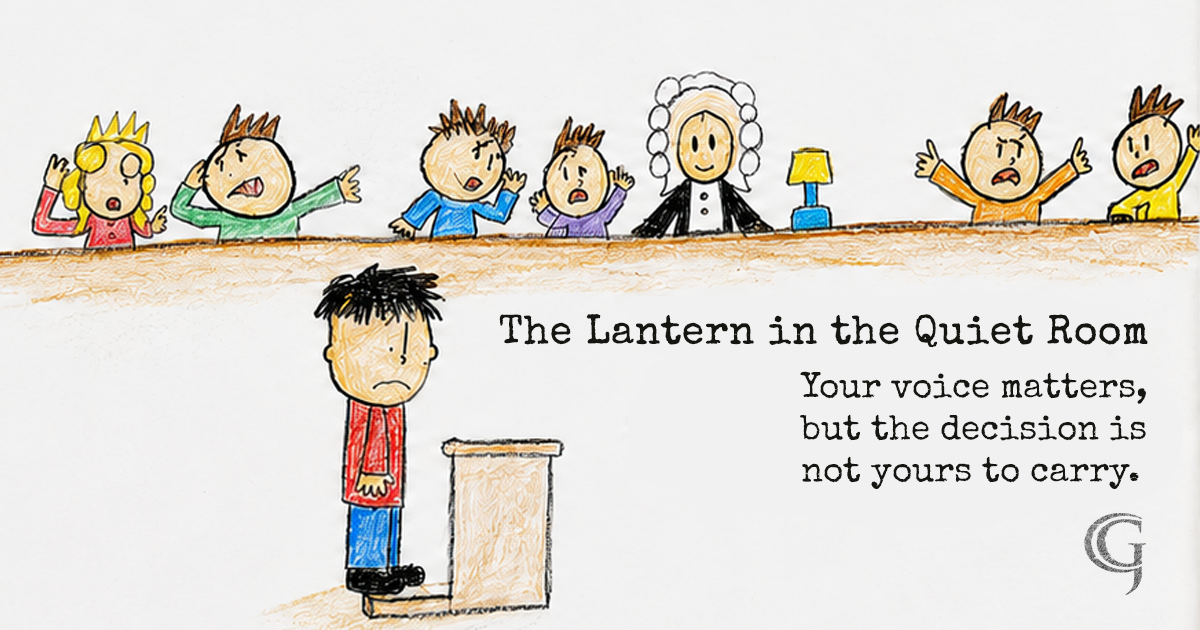
Child-related matters are dealt with separately during the ancillary stage (second stage), where the Court’s primary consideration is always the best interests of the child. This includes looking at factors such as caregiving arrangements, each parent’s involvement, stability, and the child’s needs going forward.
The narrative used to establish the breakdown of the marriage does not decide custody, care and control, or access arrangements. What carries more weight is how each parent is able to support the child’s welfare, maintain consistency, and facilitate a workable co-parenting arrangement.
The Role of the Court — Not Just a Rubber Stamp
Even in amicable cases, the Court plays an active role.
The Family Justice Courts will:
- Review whether the marriage has truly broken down
- Ensure that arrangements are fair (especially for children)
- Decide whether the legal requirements are met
This is why some applications may be delayed or rejected if not properly structured
Why the Process Sometimes Feels More Complicated Than Expected
Many people entering divorce feel:
“We already agreed — why is this still so structured?”
The reality is:
- The system is designed to balance:
- Efficiency
- Fairness
- Long-term outcomes (especially for children)
The courts also adopt a therapeutic justice approach, encouraging cooperation and reducing unnecessary conflict.
Where Consultations Come In
At the early stage, most people are not just trying to understand the process — they want to know:
“Where do I stand if I decide to proceed, and what should I expect next?”
At GJC Law, our divorce consultation is structured to give you both clarity on the process and the option to understand your position from the outset.
We begin with a free 20-minute consultation where we walk you through the divorce process and the applicable legal framework.
During this session, we explain the different pathways available, including situations where matters proceed on an uncontested basis, as well as approaches such as divorce by mutual agreement.
This ensures that you have a clearer understanding of how the process is structured.
Importantly, we take you through the typical costs involved at each stage of the divorce, so you know what to expect from the outset and can plan accordingly.
If you would like advice specific to your situation, we offer 30-minute paid consultation blocks with one of our divorce lawyers, which can be carried on immediately after your free 20-minute consultation, giving you a total of 50 minutes.
This allows us to focus on your unique circumstances, including what may happen if matters become more complex, and how issues relating to your children, housing, and assets may be approached.
This combined approach gives you a practical starting point; first understanding how the process works, and then, if needed, gaining direct legal insight into your position early, so you can make more informed decisions from the outset.
A Practical Way to Understand It
- Uncontested divorce
- You agree on everything
- Still requires a legal ground
- Divorce by mutual agreement
- No blame required
- Requires explanation + reconciliation efforts
- “Blame narrative”
- Often procedural
- Does not determine financial or parenting outcomes
A Considered Approach Moving Forward
At GJC Law, the focus is not simply on filing a divorce.
The approach is to help individuals:
- Understand which pathway is appropriate (uncontested, mutual agreement, or otherwise)
- Navigate the process with clarity and minimal unnecessary friction
- Align legal strategy with long-term outcomes, particularly where children are involved
Through our Divorce Coaching services, there is also support at an earlier stage — where individuals may still be:
- Thinking through their situation
- Trying to make sense of their options
- Not yet ready to take formal legal steps

At the free consultation stage, our Divorce Lawyers will:
- Assess if you can file for divorce in Singapore.
- Help you understand each step of the divorce process.
- Address questions & concerns related to divorce process.
- Help you explore your divorce options.