
Divorce often raises important questions about children, finances and what happens next. You may be concerned about child custody, the division of matrimonial assets, maintenance, or simply how the divorce procedure works in Singapore.
Our divorce FAQs address common questions aboutSingapore divorce law and the practical issues that can arise before, during and after divorce proceedings. They are designed to help you understand the process, your options and the matters you may need to consider before deciding on your next steps.
– How do I start the divorce process?
– When can I commence divorce?
– How long is the process?
– What is the basis of divorce?
– How will my assets be divided?
– How much maintenance will be awarded?
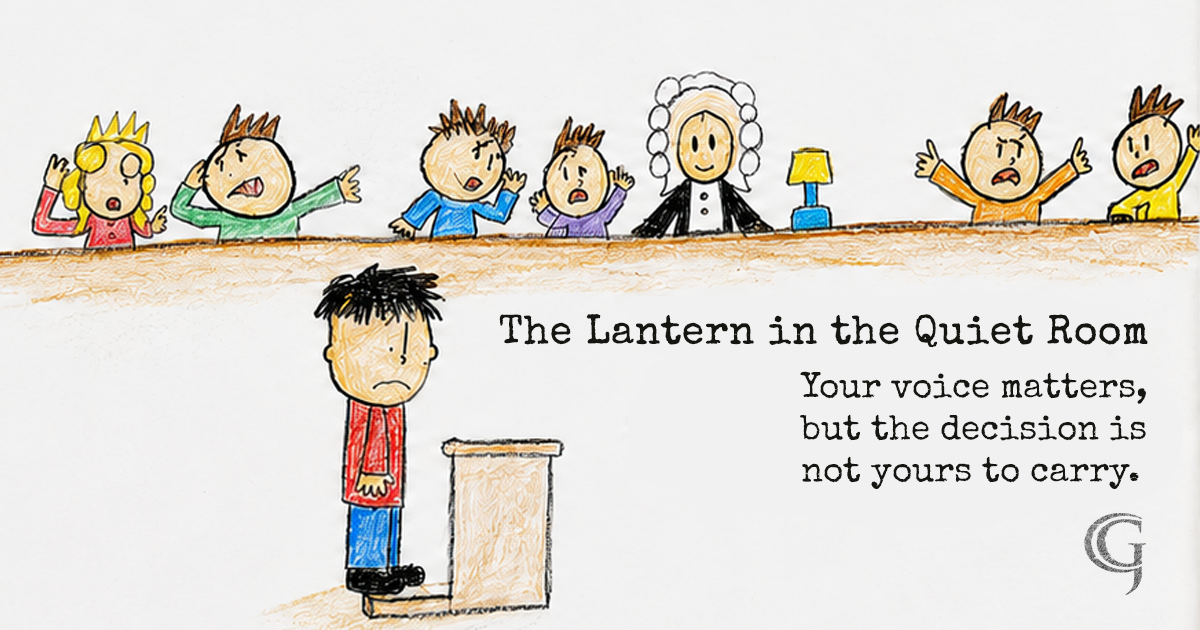
– Who gets custody of the children?
– How much access will be given?
– Can the child’s name be changed?
– Can I keep my husband’s name after divorce?
– Can I date during the divorce process?
– Can I acquire new assets during divorce?
– Can I start moving my assets?
– Can divorce be done amicably?
– Can I get help preparing for divorce?
– How do I start the divorce process?
– When can I commence divorce?
– How long is the process?
– What is the basis of divorce?
– How will my assets be divided?
– How much maintenance will be awarded?
– Who gets custody of the children?
– How much access will be given?
– Can the child’s name be changed?
– Can I keep my husband’s name after divorce?
– Can I date during the divorce process?
– Can I acquire new assets during divorce?
– Can I start moving my assets?
– Can divorce be done amicably?
– Can I get help preparing for divorce?
How do I start the divorce process?
If you are able to communicate with your spouse, then have a discussion of your intention to divorce and start talking terms. If you are near the settlement, you will need to engage a lawyer to start preparing the divorce papers. If you are unable to communicate or discuss with your spouse, fret not, meet a lawyer and discuss how you should proceed.
Read More: What do I do if I am served with Divorce Papers?
When can I commence divorce?
As long as your meet the statutory requirements of being married for more than 3 years, have a reason for the breakdown of the marriage, and having satisfied the jurisdiction issues, you can proceed with the divorce.
How Long Does the Divorce Process Take?
For a divorce proceeding on the simplified track, the Singapore Family Justice Courts state that the process may take about 4 months to conclude. If the documents are in order, the uncontested divorce hearing is generally scheduled within 4 to 6 weeks, at which the court may grant an Interim Judgment.
The Final Judgment can generally be extracted 3 months after the Interim Judgment, or after all ancillary matters have been resolved, whichever is later.
If the divorce or related issues are contested, the process can take considerably longer depending on the complexity of the case and the matters that need to be resolved.
What is the basis of divorce?
Under Singapore law, the sole ground for divorce is that the marriage has irretrievably broken down.
To establish this, you must rely on one or more recognised facts: adultery, unreasonable behaviour, desertion, separation for the required period, or mutual agreement that the marriage has irretrievably broken down.
The appropriate basis will depend on the circumstances of your marriage.
Read More: The Grounds for Divorce Revised
How will my assets be divided?
The Singapore courts divide matrimonial assets in a manner that is “just and equitable” under the Women’s Charter. This does not necessarily mean an equal division.
The court considers factors including each spouse’s direct financial and indirect contributions, such as caring for the children and family.
Matrimonial assets can include assets acquired during the marriage, whether held jointly or in one spouse’s name. Different considerations apply to pre-marriage assets, gifts and inheritances.
Read more: Factors Influencing Division of Matrimonial Assets
How much spousal maintenance will be awarded?
Spouses may agree on maintenance as a monthly payment or lump sum. If they cannot agree, the court will determine whether maintenance should be awarded and the appropriate amount.
The court considers factors including the parties’ income and earning capacity, financial needs, age, length of marriage and standard of living during the marriage. The circumstances of each case will determine the amount, if any, awarded.
Who gets custody of the children?
Parties can agree on whether it is going to be a sole or joint custody order. Usually, the court is more inclined to award joint custody with sole care and control to the mother especially when the children are young.
However, if there is only one child who shares a very strong bond with both parents, the court is inclined to look at joint custody with shared care and control to both parents. Resulting in the child spending one week with one parent and the following week with the other parent.
Read More: Understanding Child Custody: Sole Custody & Joint Custody
What access arrangements can be made for children?
Access arrangements depend on the welfare and best interests of the child and the circumstances of each family. Parents may agree on suitable arrangements, or the court may determine them if they cannot agree.
Access may include weekdays, weekends, school holidays, public holidays and special occasions. Depending on the circumstances, access may also be supervised.
Can the child’s name be changed?
The child’s name cannot be changed unless with the consent of the other parent. Strictly, the surname cannot be changed.
Can I keep my husband’s name after the divorce or do I need to change it?
You can keep your husband’s name. It is your personal choice.
Can I start dating during the divorce process?
Technically you can if you are the Defendant and once papers have been served on you.
Can I acquire new assets during the divorce process?
Yes, you can. But you should note the implication if you include it as a joint asset.
There are case laws that talk about the point of time the assets are acquired either in sole name or joint names and whether it becomes included as an asset or not during the time of division.
Can I transfer or dispose of assets during a divorce?
You should not transfer, dispose of or move assets simply to place them beyond your spouse’s reach or reduce the matrimonial asset pool.
Before transferring or withdrawing significant assets, keep proper records, consider whether the asset may form part of the matrimonial pool, and obtain legal advice if you are unsure. This is particularly important for joint bank accounts, property, investments or substantial transfers.
If there is concern that assets are being dissipated, the other spouse may seek appropriate court orders. The court may also take such dealings into account when dividing the matrimonial assets.
Read more: Tips to Protect Assets in Divorce
Can a divorce be resolved amicably without going to court?
Yes. Not every divorce needs to become a prolonged court dispute. Couples may use negotiation, mediation or Collaborative Family Practice to work towards an agreement on issues such as children, matrimonial assets and maintenance.
GJC Law offers these alternative dispute resolution approaches, including Collaborative Family Practice and mediation. Our family lawyers can help identify which approach may be suitable and assist with negotiations aimed at reaching a workable settlement.
Where agreement is reached, the divorce may proceed on the simplified track, reducing the need for contested court proceedings.
Is there support to help me prepare for divorce?
Yes. You may understand the legal process but still feel unsure about how to prepare, communicate with your spouse, organise your priorities or make decisions during divorce.
GJC Law offers divorce coaching for individuals who want practical, structured support through these challenges. Gloria James-Civetta is a Certified CDC Divorce Coach® and brings her extensive family law and dispute resolution experience to the coaching process.
Divorce coaching is different from legal advice. It can be used independently or alongside your divorce lawyer, depending on the support you need.
Still Have Questions About Divorce?
Every divorce is different. If you are unsure about the process, your children, matrimonial assets, maintenance or your next steps, GJC Law’s family lawyers can help you understand your options.
Free 20-minute Divorce Process Call
For general guidance on how the Singapore divorce process works and what to expect.
Strategic Divorce Consultation – 30 or 60 minutes
For personalised legal advice on your circumstances, including divorce strategy, children, assets, maintenance and settlement options.
Speak with GJC Law to decide which consultation is right for you.

We’re here for you
When you contact our matrimonial law team, we will provide you with a consultation, tailored to your specific circumstances and goals in mind.
Our goal is to help you find a resolution that works for you.