
I did not ask to be part of this war. But sometimes, I wonder if I was the one who started it.
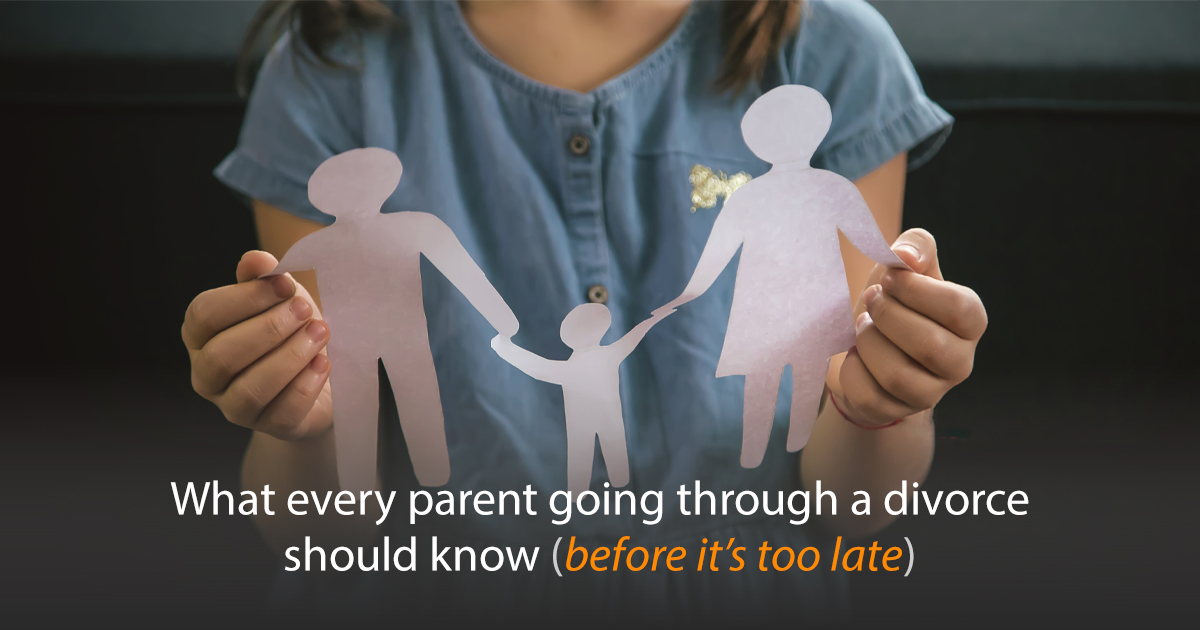
When my parents’ marriage broke down and they began fighting over the house, the money, and time with me, it did not just feel like they were angry at each other. It felt like something about me had become the problem.
My name was in every argument.
My schedule.
My school.
My weekends and holidays.
My wishes.
My welfare.
They would say, “It’s for your best interests,” and “I’m doing this for you.” They say they are fighting “for me.” But it feels like they are fighting over me. When voices rose and doors shut too hard, it did not feel like protection. It felt like I was the reason the room kept getting hotter.
If they argued about where I would live, I wondered if I had said the wrong thing about liking one house more. If they fought about money, I wondered if I cost too much. It is strange to hear about yourself like a problem to be solved.
I replay conversations in my head. The day I said I wanted to stay longer at Dad’s. The time I told Mum I missed her. The moment I cried because I was tired of packing bags. The day I told Dad that Mum shouted at me because I did not finish my homework. Did I make things worse?
When adults talk about my “welfare” in serious voices and court papers, it sounds important. But it also feels heavy, like I am something fragile they are trying to hold onto at the same time.
And slowly, without anyone telling me to, I start to think: maybe if I were easier, quieter, better behaved, or just told each parent what they wanted to hear, they would fight less.
Maybe if I did not have preferences, there would be nothing to argue about.
Maybe if I did not cry, no one could say I was “upset.”
Maybe if I did not exist, they would not hate each other this much.
That is what high-conflict feels like from inside a child’s chest. Not just noise. Not just anger. But the quiet belief that somehow, it is your fault.
As lawyers, we often meet parents trapped in the intensity of a high-conflict divorce. Emotions are raw, trust has broken down, and everything said or done by the other parent is scrutinised, dissected, and interpreted in the worst possible way.
Every action seems part of an evil master plan, and it feels impossible to see anything good in the other parent. Court applications pile up. Custody, care, and access disputes dominate every conversation. And too often, children are caught in the crossfire.
High-conflict divorce is more than simple disagreement. It becomes a cycle of blame, retaliation, and suspicion. Parents may engage in “mudslinging,” speaking negatively about the other parent in front of the children or attempting to enlist them as allies.
Children, naturally loyal to both parents, absorb the tension, fear, and confusion. They may feel responsible for the conflict, pressured to take sides, and over time, this can lead to resentment toward one parent while the other becomes the “favoured” parent.
But here is the critical point: the child does not benefit from you winning or losing a point. The child benefits from stability, security, and healthy emotional support from both parents.
Why Focusing on the Child Matters
Studies on high-conflict divorce consistently show that ongoing disputes between parents can be far more harmful to children than the divorce itself. Children absorb tension, stress, and blame, which can lead to anxiety, emotional withdrawal, difficulties with concentration, and challenges in school.
Even when parents believe they are acting in the child’s best interests, involving the child in disputes by asking them to report on the other parent, take sides, or make loyalty choices places emotional burdens that are far beyond their age and developmental capacity.
In a study by the Ministry of Social and Family Development on the intergenerational effects of divorce on children, it was found that children of divorced parents are more likely to experience long-term socioeconomic disadvantages, sometimes referred to as a “divorce penalty.”
These children were more likely to earn less in their careers, less likely to marry, and more likely to experience divorce themselves if they married.
In addition, children who experience parental separation, particularly in the context of ongoing conflict, may face long-term emotional and social challenges. These can include difficulties forming trusting relationships, lower self-esteem, emotional insecurity, and struggles with social and academic development.
Together, these findings highlight how the effects of divorce, when combined with high levels of parental conflict, can extend well into adulthood.
Read more: The Effect of Divorce on Children – An Age-by-Age Guide
Practical Guide for Parents
Separate Conflict from Parenting
: Resolve disputes through direct communication with the other parent, your lawyers, mediators, or parenting coordinators. Do not involve your child as a messenger or informant. Avoid asking your child questions such as “What did Dad do with you today?” or “What did Mum say to you today?” Use a single communication platform to keep matters clear and contained.
Protect the Child from Negative Talk
: Avoid criticising the other parent in front of your child. Remind your extended family and support network to do the same. Children do not benefit from hearing allegations, blame, or negative character judgments.
Focus on Stability and Routine
: Maintaining consistent schedules, schooling, and emotional support helps your child feel secure even amidst parental conflict. Remember that even if your relationship as a couple has ended, you remain lifelong parents even after the child grows up.
Shift from Winning to Problem-Solving
: Instead of asking, “How do I prove I am right?” ask, “What is genuinely in the best interest of my child?” Prioritising solutions over blame creates a healthier environment for your child.
Manage Your Own Emotions
: High-conflict situations are stressful for everyone involved. Parents who can regulate anger, frustration, and resentment provide a safer, more supportive environment for their children.
Prioritise Safety, Not Winning
: If there is genuine danger or a safety concern, contact the police or appropriate authorities immediately. Do not escalate situations unnecessarily or use legal or safety processes simply to gain an advantage, as this can increase conflict and harm the child.
The Bottom Line
As tempting as it may be to engage in prolonged disputes over access, care, or perceived slights, parents must ask themselves a simple but crucial question: What is truly best for my child?
High-conflict divorce is emotionally exhausting. But by putting the child at the centre, parents can minimize harm and provide the foundation for a healthier, more cooperative co-parenting relationship. The child may not remember court battles or legal strategies. But they will remember whether they felt loved, supported, and safe.
Read more: Practical Approaches to Deal with an Uncooperative Co-Parent
I am not evidence.
I am not leverage.
I am not proof that you are the better parent.
Speak to each other directly, not through me.
Keep your adult battles out of my ears.
Let me love the other parent without feeling disloyal.
Ask a different question:
Not, “How do I win?”
Not, “How do I gain control?”
Not, “How do I expose the truth?”
But, “What will make my child feel safe?”
“What will ease my child’s worry?”
“What will let me grow without carrying your anger?”
Put down the weapons.
Heal without using me.
Protect my peace.
I am not the cause of your war.
I am the child in the middle,
waiting for this war to end.
– Sincerely, your child.

We’re here for you
We have a dedicated family law team ready to listen,
understand your situation, and advise you on:
- Child Custody & Maintenance issues;
- Access Arrangements;
- Parenting Plans;
- Relocation issues.